The Magic of Web Designing: Ignite Your Digital Presence Today!
Web Design
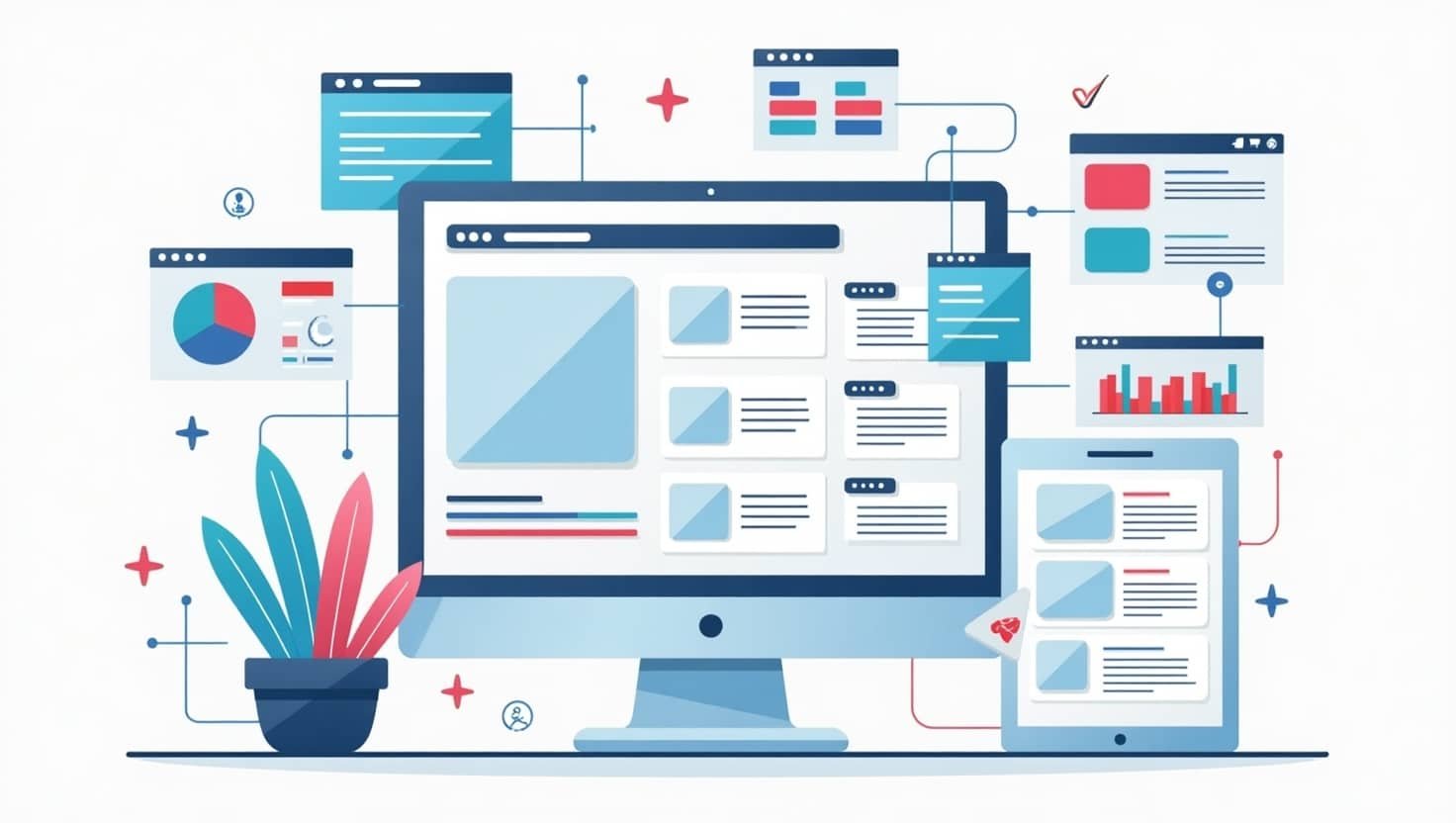
In today’s digital-first world, your website is often the first impression your brand makes. Web designing is the art and science of planning, creating, and executing a strategy to build websites that are not only visually appealing but also highly functional and user-friendly. A strong user experience lies at the heart of effective web design—guiding users effortlessly through your site while enhancing engagement and conversions.
The Role of Web Designers
Web designers are creative professionals who blend technical skills with artistic vision to bring websites to life. They focus on crafting the layout and aesthetics of a website, ensuring that the design reflects the brand’s identity and meets user expectations.
Equipped with tools like Adobe XD, Figma, CorelDRAW, and Inkscape, designers create engaging visuals—icons, animations, logos, and interactive elements. Their understanding of UI (User Interface) and UX (User Experience) design helps them build intuitive and immersive digital experiences that resonate with visitors.
They also incorporate design principles such as symmetry, spacing, color theory, and responsive typography—ensuring each page is both beautiful and functional.
Key Elements of Web Design
Web design is much more than picking fonts and colors. It involves multiple interconnected components that shape how users interact with your website:
Layout & Structure: Proper alignment and hierarchy help guide the viewer’s eyes and make the content digestible.
Navigation: A well-organized menu system makes it easy for users to explore the site and find what they need.
Visual Design: Consistent use of brand colors, icons, and graphics enhances brand identity.
Typography: The choice of font and its readability significantly impact user experience.
Responsiveness: The design must adapt smoothly across all devices—mobile, tablet, and desktop.
🔍 Example: A well-designed car loan website uses precise color combinations, smooth navigation, and attractive graphics to represent its brand identity effectively.
Design is not just what it looks like and feels like. Design is how it works.
Things to Keep in Mind Before Designing
Before diving into design, ask yourself:
What is the website’s purpose? Is it for selling products, showcasing a portfolio, or providing information?
Who is your target audience? Understanding user demographics helps shape design choices like layout, color palette, and functionality.
What features do you need? From blogs and contact forms to eCommerce and galleries, plan your content and tools in advance.
Hosting & Domain Name: Your domain name should be memorable and reflect your brand identity. Choose a reliable hosting provider to ensure fast load times and minimal downtime.
Scalability: Consider future updates and growth. Choose platforms and technologies that support scaling.
⚙️ Pro Tip: Consider headless commerce if you’re aiming for a flexible, content-first shopping experience.
Conclusion
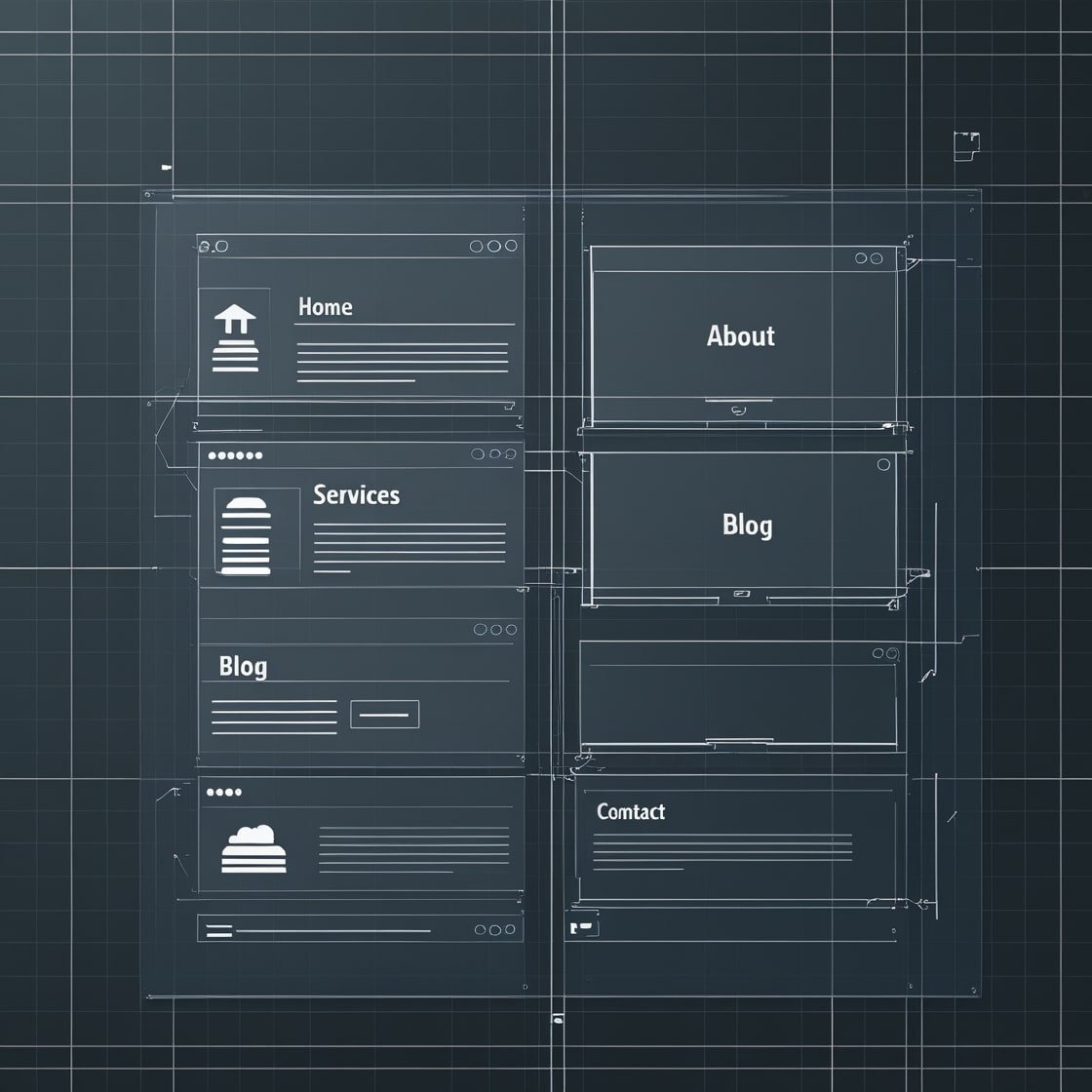
Think of web design as the blueprint of your online presence. A well-planned and well-executed website doesn’t just look good—it works efficiently, guides users naturally, and helps your brand thrive in the digital space. By focusing on both aesthetic and usability, your website becomes a powerful tool to attract, engage, and convert visitors.







No comments
Be the first to comment.